Updated: September 2026
Buying Wuling from China for Africa: Checks Before Payment
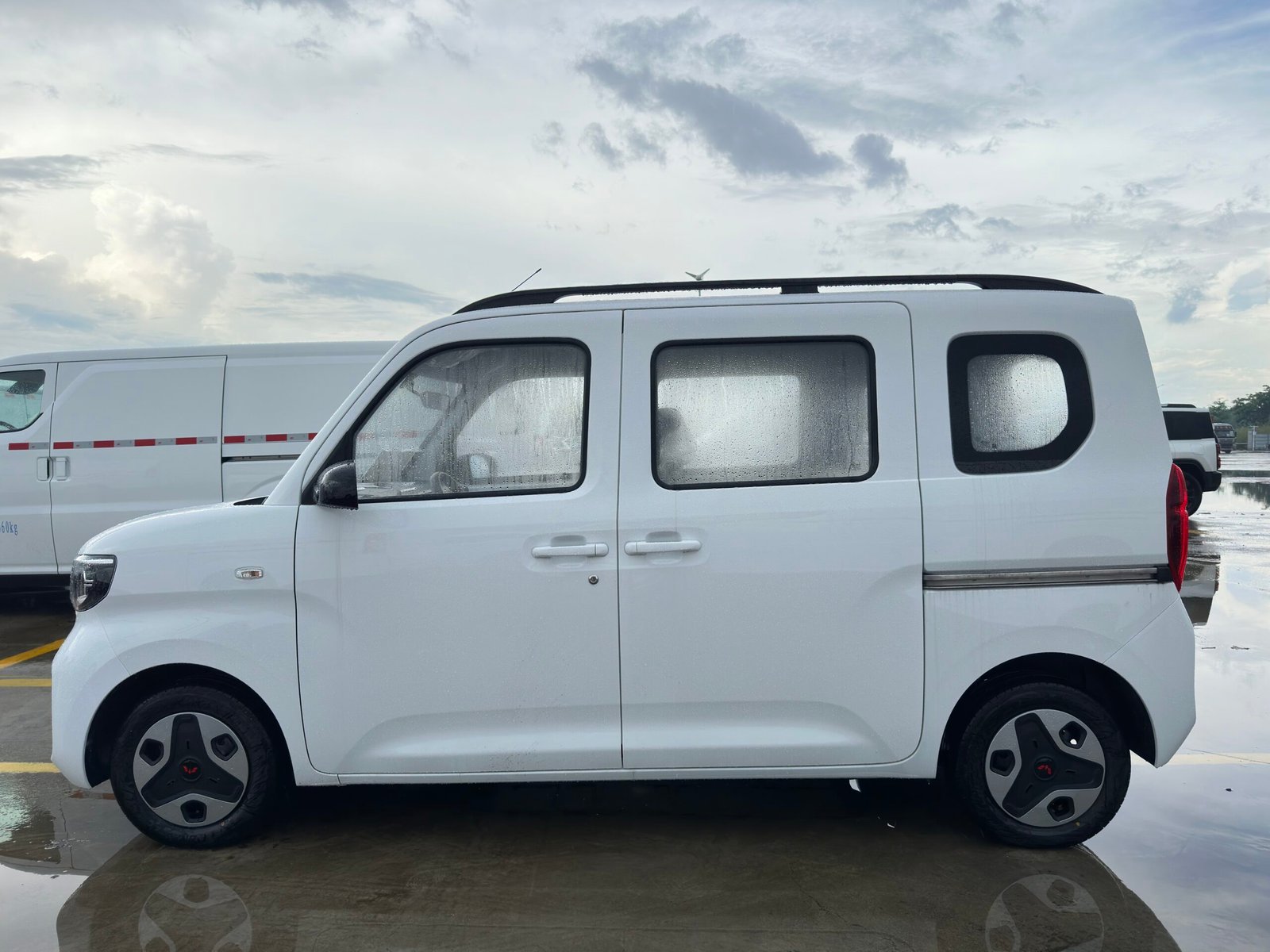
Buying Wuling from China for Africa is not only about finding a lower price. For many dealers, fleet buyers and small business buyers, the real value is control: the exact model, the export version, the correct steering side, the powertrain, the accessories, the VIN evidence, the PDI file and the handoff term before money is committed.
A local Wuling offer can be a useful benchmark. It can show local pricing, warranty position, service coverage and delivery timing where an official channel exists. But a local offer does not always answer a buyer’s full requirement. Some buyers need a specific version, a consistent batch, a commercial body type, LHD/RHD confirmation, or source-level evidence before deposit.
That is where China-side sourcing matters. It turns a broad request such as “send me Wuling price” into a controlled order file that can be checked, compared and approved before the vehicle leaves China.
Buyer takeaway:
- Local stock is a benchmark, not the whole buying route.
- A model name is not enough. Buyers should confirm export version, trim, steering side, powertrain and vehicle status.
- VIN, nameplate, PDI, accessories and FOB/CIF handoff should be linked to the quote before deposit or final payment.
HZFK’s role: HZFK provides China-side Wuling sourcing and export support. It can check current model availability, confirm the requested LHD/RHD, powertrain and trim against the destination requirement, request VIN, nameplate, mileage and PDI evidence, confirm agreed cables, tools, spare-tire arrangement, keys and accessories, coordinate China-side suppliers, review export readiness and available China-side documents, and support FOB or CIF quotations where available. Destination customs, taxes, conformity certification, homologation, registration, road-use eligibility, local warranty, repair, parts supply and local distributor approval remain destination-side matters.
Local Stock Is a Benchmark, Not the Whole Buying Route
If an African buyer’s country already has official Wuling stock, that offer should be part of the comparison. It gives a useful reference for local price, delivery timing, warranty, service and parts support.
But a benchmark is not the same as the final answer. A local retail offer may not cover a dealer’s batch requirement, a fleet’s exact seating layout, a commercial buyer’s cargo body, a specific model year, or an export configuration that is not shown in the local catalogue.
The right comparison is not “China price versus local price” in a vague way. It should be like-for-like: same model year, same trim, same powertrain, same steering side, same equipment, same vehicle status and a clear understanding of what support is included locally.
This keeps the buyer focused on the decision that matters: does China-side sourcing give more control over the exact Wuling vehicle the business actually needs?
The Real Advantage Is Source-Level Control
Source-level control means the buyer is not relying only on a model name, a screenshot or a seller’s short price message. The order is defined before payment.
| Control point | What the buyer should receive |
|---|---|
| Exact version | Model year, trim, powertrain, seating or cargo layout, and acceptable substitutions. |
| Steering side | LHD or RHD confirmed against the exact model, trim and destination. |
| Vehicle identity | VIN list when allocated, nameplate photos and evidence tied to the contract. |
| Condition and status | New, demo, used or registered status, mileage, warning-light check and PDI evidence. |
| Handoff | Named FOB origin port or CIF destination port, quote validity, scope and exclusions. |
China-side sourcing is not simply a search for a lower number. It is a way to define the exact vehicle, verify the evidence behind the offer and agree what happens before the units leave China.
A Model Name Is Not an Export Version
Wuling’s public product range is broad. SGMW’s Red Badge range includes commercial and work-oriented products such as Hongguang V, Hongguang S, Rongguang small-truck products and electric commercial entries such as Yangguang and Zhiguang EV. The Silver Badge range includes passenger, EV and hybrid-oriented products such as Bingo-family EVs, Hongguang MINIEV-family entries and Xingguang-family models.
Those names help buyers understand the brand’s range, but they do not prove export availability for every African destination. A China-market model, an export version and a local-market version may differ in model year, seating layout, battery, engine, software, charging hardware, emissions documents, accessory package and warranty route.
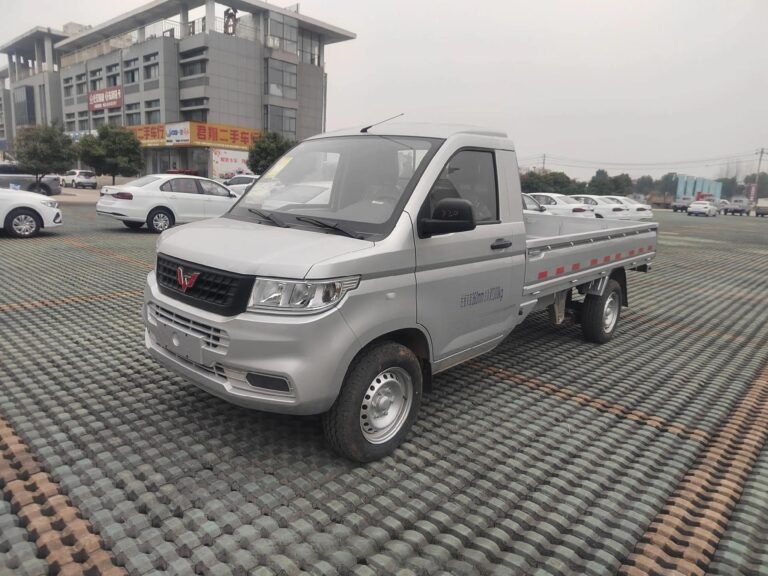
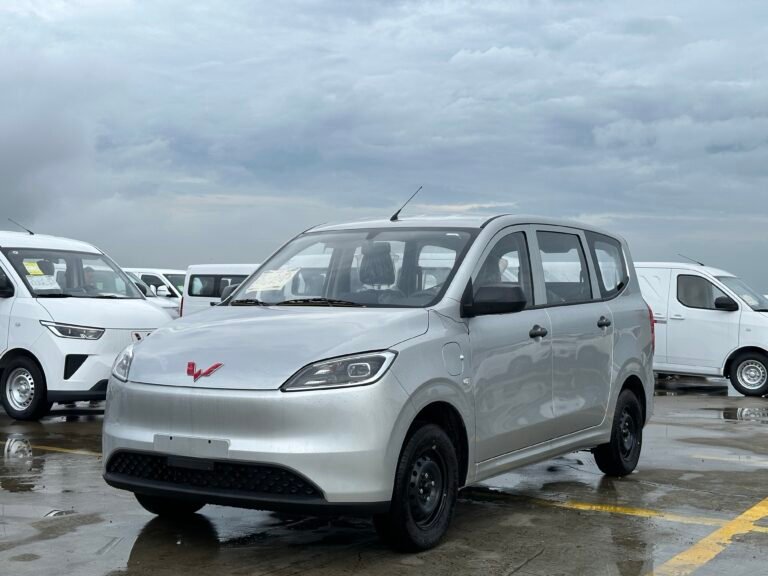
For example, a buyer asking about Hongguang V or Wuling Sunshine may be thinking about passenger movement, delivery or mixed family-business use. A buyer asking about Rongguang Pickup or a small-truck product may care more about payload, road use, spare tire and tool configuration. A buyer asking about Bingo, Hongguang MINIEV or Yangguang EV should not only compare price and range; charging connector, software language, cable package and local technician support also matter.
Before comparing prices, ask for:
- exact legal model designation and commercial name;
- model year and production date;
- trim code and seating or cargo body;
- engine, motor, battery or gearbox information where relevant;
- LHD/RHD configuration;
- EV connector, cable, charging screen and software language if applicable;
- available export and conformity documents for that version.
Similar model names do not guarantee identical vehicles. The quote should be built around the nameplate, VIN-linked data, trim sheet, powertrain and steering side—not only a familiar badge.
LHD or RHD Comes Before the Quote
Africa cannot be treated as one steering-side market. As a practical orientation, South Africa, Kenya, Tanzania, Uganda, Zambia, Zimbabwe, Botswana, Namibia and several other southern or eastern African markets are commonly associated with RHD demand. Many North, West and Central African markets, including Morocco, Egypt, Nigeria, Ghana, Côte d’Ivoire and Angola, commonly work with LHD vehicles.
This is only a starting point. Driving side, permitted steering position, inspection rules and vehicle-class restrictions must still be confirmed locally. The sourcing decision should begin with the destination country, not with a generic “Africa price.”
Do not rely on a broad “RHD available” or “LHD available” claim on a marketplace page. The question is narrower: is this exact Wuling model, trim, production batch and export version available in the steering configuration your destination needs?
For a serious quote request, state the destination first:
- country and city or port;
- left-hand drive or right-hand drive requirement;
- whether the buyer has confirmed local road-use and import rules;
- acceptable alternative model if the correct steering version is unavailable.
Compliance also differs by country. A Nigeria-bound order, a Kenya-bound order, an Egypt-bound order and a South Africa-bound order may face different conformity, inspection or approval routes, such as SONCAP, PVoC, COC or NRCS-type approval where applicable. HZFK can help prepare the China-side vehicle file, but the destination-side requirement must be confirmed by the buyer’s local importer, broker, testing agent or regulator.
If the steering side or local compliance route is wrong, the rest of the quotation may be useless. Price should come after this gate, not before it.
Dealer and Fleet Orders Need Batch Consistency
A dealer asking for ten Wuling units is not simply buying ten retail cars. The batch needs to make sense together. If every unit has a different trim, color, model year, powertrain or accessory set, the buyer may end up with a confusing stock mix instead of a sellable plan.
The same applies to fleets. A shuttle buyer, delivery operator or taxi business usually needs one approved configuration across the batch: same seating layout, same cargo space, same charging setup if EV, same tire size, same service items and a clear spare-parts plan.
For dealer and fleet orders, define:
- how many units must be identical;
- which variations are acceptable;
- whether color changes are allowed;
- whether trim substitutions require written approval;
- which accessories must be included for every unit;
- when VIN and PDI evidence will be provided.
This is the difference between buying cheap units and controlling a real first batch.
Choose the Powertrain Around the Route
Wuling buyers should not choose EV, gasoline or hybrid only by trend. The correct powertrain depends on daily route, charging access, fuel conditions, payload, downtime tolerance and local service ability.
EV interest in Africa is rising, but it is still not the default answer for every buyer. The IEA reported that electric-car sales in Africa increased from around 4,000 units in 2023 to about 25,000 in 2025, with Egypt, Morocco and South Africa leading regional sales. It also noted that South African electric-car sales remained below 1% of new-car sales in 2025, while PHEVs represented more than 70% of electric-car sales there. That supports a practical conclusion: EVs deserve a serious check, but the right Wuling powertrain still depends on route length, charging access, technician support and downtime tolerance.
| Use case | Powertrain logic | Pause if… |
|---|---|---|
| Fixed urban delivery | An EV van may fit if depot charging, route length and loading needs are controlled. | Charging plan or technician support is unclear. |
| Hotel or airport shuttle | EV, gasoline or hybrid can work depending on distance, passenger load and charging window. | Seat/luggage layout or charging assumptions are untested. |
| Rural or long-distance use | Gasoline or hybrid may be more practical where charging and diagnostics are limited. | Local support for the chosen system is not identified. |
| Taxi or e-hailing | Compare EV, hybrid and gasoline by route economics, downtime and service support. | The business case depends only on best-case range or fuel assumptions. |
The buyer should ask for the powertrain that fits the route, not the one that sounds most fashionable. EVs can be strong in controlled urban use; gasoline and hybrid routes still matter in many African markets.
The VIN and PDI File Should Match the Offer
A serious China-side Wuling order should create one consistent file. The contract, proforma invoice, VIN list when available, nameplate photos, PDI evidence, accessory list and FOB/CIF terms should all describe the same vehicle configuration.
A compact sourcing file should include:
- destination country and intended use;
- exact model, model year, trim/version and quantity;
- powertrain and steering side;
- seating/cargo layout and color requirements;
- new, demo, used or China-registered status;
- VIN allocation stage and nameplate evidence;
- mileage, dashboard/warning-light and PDI evidence;
- underbody or visible condition images where relevant;
- key count, EV cable/adapter, spare tire or repair kit, jack/tools and agreed accessories;
- available China-side export documents;
- buyer approval, refund or substitution terms if the exact version cannot be supplied.
China-side documents may include the sales contract, commercial invoice, packing list where applicable, export declaration support, certificate of origin where available, vehicle certificate or manufacturer technical information where available, and the VIN/nameplate/PDI evidence file. Destination-side conformity routes such as COC, PVoC, SONCAP or NRCS-type approval, customs clearance, tax calculation, registration and local road eligibility must be checked with the buyer’s importer, broker, testing agent or regulator before ordering.
The nameplate is not just a photo. It is physical evidence that should support the sales contract, export paperwork and buyer review.
FOB and CIF Only Work With a Defined Handoff
FOB and CIF are useful only when the exact vehicle and handoff point are defined. A message that says “Wuling CIF Africa” is not enough. It should state the destination port, included scope, quote validity, insurance arrangement where applicable, and what documents are included.
CIF is often misunderstood. It does not mean customs-cleared. It does not mean registered. It does not mean delivered to the buyer’s premises. It also does not create local warranty or local repair support.
A serious FOB or CIF Wuling quote should clarify:
- FOB China port or CIF destination port;
- Incoterms® 2020 rule used in the quotation;
- vehicle quantity, version and VIN stage;
- which documents are included from China side;
- whether insurance is included and what proof will be provided;
- how long the quote is valid;
- what happens if the exact version becomes unavailable before deposit or shipment.
For African buyers, the safest quote is not the one with the shortest price message. It is the one that links the FOB or CIF term to a named port, exact vehicle file, document scope, insurance note and buyer-approved substitution rule.
Where to Use the Website Next
This guide explains sourcing control. The next step depends on what the buyer already knows.
- If you already know the body type, browse Wuling vehicle categories.
- If you are building a local sales channel, review Wuling dealer cooperation.
- If you are buying for taxi, shuttle, delivery or business fleet use, see Wuling fleet sourcing support.
- If you need country-market orientation, start from the Africa market information page.
- If you want a current China-side availability check, use the request form.
The blog should help you ask a better question. The product, dealer, fleet and market pages handle the next layer of detail.
Pause When the Evidence Changes
Most sourcing problems do not start with one obvious mistake. They start when small details change after the buyer has already focused on price.
- The seller quotes a model name but will not state model year, trim and powertrain.
- “RHD available” or “LHD available” is not tied to the exact model and destination.
- A different trim, color, model year or vehicle status may be substituted without written approval.
- The seller calls the vehicle new but will not disclose registration, mileage or demo status.
- VIN/nameplate or PDI evidence is unavailable at the agreed purchasing stage without explanation.
- EV connector, cable, software language or charging assumptions remain unclear.
- FOB/CIF terms omit the named port, Incoterms edition, validity or insurance scope.
- Local eligibility, warranty and service are assumed rather than checked with destination-side specialists.
When these signals appear, the answer is not always to cancel. Sometimes the right move is to change the configuration, delay the deposit, request new evidence, or choose a more suitable Wuling model.
What HZFK Can Verify in China
HZFK can support buyers before they commit money to a Wuling order. The China-side check can include current model availability, LHD/RHD confirmation, gasoline/EV/hybrid version confirmation, trim and export-version review, VIN and nameplate evidence, mileage/status check, PDI photos/videos, charging cable and accessory confirmation, supplier coordination, export readiness and available China-side documents.
HZFK can also support FOB or CIF quotation discussion where available and help define the China-side handoff before shipment.
Destination customs, taxes, conformity certification, homologation, registration, road-use eligibility, local warranty, repair, parts supply and local distributor approval remain destination-side matters. Freight rates, vessel space, port release and transit times also require confirmation from the relevant logistics parties. HZFK’s China-side role does not replace an official local distributor where one exists.
Questions African Buyers Ask
Why buy Wuling from China if local stock is available?
Local stock is useful for comparison, but China-side sourcing can provide more control when the buyer needs a specific version, batch consistency, LHD/RHD confirmation, VIN/PDI evidence, accessories confirmation or FOB/CIF handoff terms.
How can I confirm whether a Wuling is LHD or RHD?
The buyer should confirm the steering side by exact model, trim and destination. A generic “LHD available” or “RHD available” claim is not enough without source-level evidence.
Is every Wuling model on the Chinese website exportable to Africa?
No. A public product page shows that a model exists, but export availability, steering side, conformity documents, homologation, local rules and destination eligibility must be checked case by case.
What is the difference between a China-market and export-version Wuling?
They may differ by trim, software, language, charging hardware, emissions documents, accessories, seating layout, model year, warranty route or compliance file. The exact version should be confirmed before price comparison.
What VIN and PDI evidence should be requested before deposit?
At minimum, ask for VIN/nameplate evidence when allocated, mileage/status, exterior and interior PDI photos, dashboard/warning-light video, accessory photos and vehicle condition evidence relevant to the order.
Should an African fleet choose gasoline, EV or hybrid Wuling vehicles?
The decision should follow the route. EVs can fit depot-based or controlled urban use. Gasoline or hybrid may be better where charging, service or daily route planning is uncertain.
What does a Wuling CIF quote normally not include?
CIF does not mean destination customs clearance, tax payment, registration, local warranty, local repair, local parts supply or delivery to the buyer’s premises unless separately agreed and confirmed by the relevant parties.
Can HZFK provide SONCAP, PVoC, COC or NRCS-type approvals?
HZFK can help prepare and organize China-side vehicle evidence and available export documents. Destination-side conformity certificates, inspections, approvals and registration requirements must be confirmed with the buyer’s local importer, broker, testing agent or regulator.
Does a China-sourced Wuling receive local warranty and registration approval?
Do not assume that. Local warranty and registration approval belong to the destination market and must be confirmed by the local distributor, importer, regulator, broker or service partner.
Sources and Further Reading
- SGMW English homepage: Wuling Red and Silver positioning
- SGMW Wuling Red Badge product page
- SGMW Wuling Silver Badge product page
- IEA Global EV Outlook 2026: electric car trends
- ICC: Incoterms® 2020 rules
- Standards Organisation of Nigeria: SONCAP service
- Kenya Bureau of Standards: PVoC overview
- South Africa NRCS: importing vehicles
Request Current Wuling Availability
Share the destination country, intended use, quantity, preferred Wuling category, LHD/RHD requirement, powertrain and destination port. HZFK can check the available China-side configuration, evidence and FOB or CIF terms before a quotation is finalized.